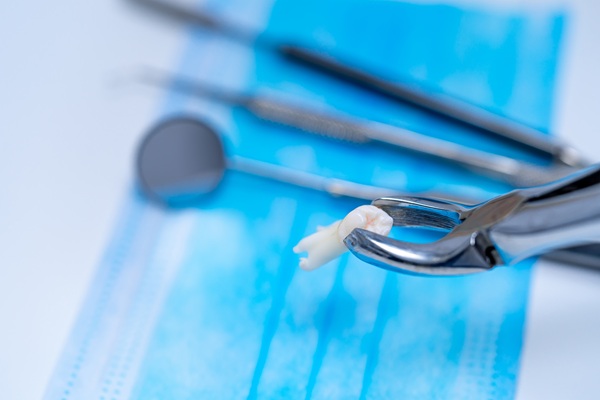
Recovery Time After Wisdom Tooth Extraction
A is a procedure done to remove the last set of molars to emerge in the mouth. The pain, discomfort and swelling that patients experience after the procedure is part of the healing and recovery process. One question many patients ask is how long recovery takes, and this article answers that question and what recovery entails.
The tooth removal process
Wisdom teeth, also called the third molars, are the last molars to erupt. These teeth are not present in everyone; neither are they vital for a healthy, beautiful smile. However, they may become problematic if they erupt wrongly.
When these molars emerge, often between ages 16 and 20, there may not be enough space on the jaw for them to come out fully. Therefore, they may erupt at an angle, crowding the mouth and may sometimes not erupt completely. This can lead to oral health issues such as pain and infection. Most wisdom tooth removal requires a type of surgery. After the procedure, recovery starts.
Recovery after extraction
After undergoing wisdom tooth extraction, patients will likely experience pain and swelling. Slight bleeding may also occur. As healing progresses, patients must be careful not to disturb the healing gums or dislodge the blood clot. It is better to avoid solid foods, alcohol, coffee, soda or hot beverages for a few days following the procedure. Brushing is also not an option on the first day of recovery.
Normal wisdom teeth recovery time is between three to four days, although it can take up to a week. The duration of recovery depends mostly on the severity of tooth impaction and angle of the eruption. Patients can take different measures to make the recovery period easier:
- Adequate rest is important, but everyday activities can usually resume after a day or two. Strenuous activities that may affect the mouth should be avoided for longer.
- Pain relievers prescribed by the dentist can help to alleviate the pain.
- To stop swelling, placing ice over the jaw can help. The cold reduces discomfort and inflammation.
The dentist will provide instructions on how to properly care for the oral cavity throughout the recovery period. The patient may be told not to brush, floss, spit or rinse their mouth for at least 24 hours. After that, brushing should be done gently. Rinsing the mouth with salt water regularly can help to clean the mouth and prevent infection. Throughout recovery, a diet of soft foods, including apple sauce, yogurt and cottage cheese is recommended. Patients can start with the soft food after surgery and slowly progress to semi-soft food as healing continues.
The Beavercreek Dental team is here to help
After wisdom tooth extraction, the recovery period may last for several days, and sometimes swelling and discomfort may continue for a week or more. If you notice strange symptoms such as severe pain, fever or pus discharge, contact our Oregon City office as soon as possible. Although complications like infections are rare, they may occur and typically require prompt treatment.
Request an appointment here: https://www.beavercreekdental.net or call Beavercreek Dental at (503) 342-2020 for an appointment in our Oregon City office.
Check out what others are saying about our dental services on Yelp: .
Related Posts
An emergency dentist can quickly relieve tooth pain and determine the cause of the discomfort before the problem becomes more serious. A toothache may begin as mild sensitivity, but it can quickly become sharp, throbbing, or constant. Pain in a tooth often signals that something needs professional attention, whether the cause is decay, infection, damage,…
Choosing a certified Invisalign dentist ensures your treatment is safe and effective. While many general dental offices offer clear aligners, the experience of each dental provider varies. Moving teeth requires more than plastic trays; it requires knowledge of underlying jaw mechanics and bone health. An experienced Invisalign dentist can help you achieve a straighter smile…
A dental crown's longevity depends on material strength, bonding quality, and diligent home care, yet even a precisely fitted restoration eventually reveals clues of fatigue. Recognizing subtle warnings in the earliest stage prevents painful complications and safeguards the surrounding oral structure. Note that eventually, all dental crowns will need to be replaced. However, reviewing the…
Dental crowns are a common restorative treatment used in general dentistry. They can restore severely damaged teeth, saving patients from the pain, time, and cost of extraction and replacement. Further, crowns come in a variety of safe, biocompatible materials. Exploring the facts about dental crowns can make you feel more confident in getting one.Dental crowns…