A Family Dentist’s Guide to Recovering from Tooth Extraction
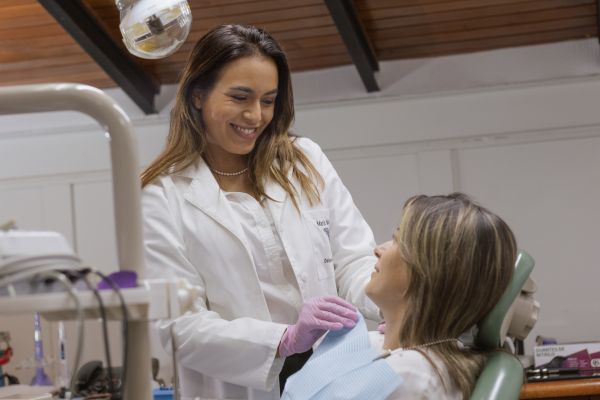
Family dentist recommendations play an important role in helping patients recover comfortably after a tooth extraction. Although the procedure itself is routine, proper aftercare supports healing, reduces the risk of complications, and helps patients return to normal activities as quickly as possible. As a family dentist, providing clear recovery instructions helps protect the extraction site during the healing process.
The first 24 hours are the most important
Healing begins immediately after the tooth is removed. A blood clot forms within the empty socket, protecting the underlying bone and nerves while new tissue develops. Keeping this clot in place is one of the most important parts of recovery.
Patients should bite gently on the gauze provided after the procedure and replace it as directed until the bleeding slows. Resting with the head slightly elevated and avoiding strenuous activity during the first day also supports the body's natural healing process.
Protecting the extraction site
The extraction area remains sensitive while healing progresses. Certain activities can dislodge the protective blood clot and delay recovery, increasing the risk of a painful condition known as dry socket.
During the first several days, patients should:
- Avoid drinking through a straw
- Eat soft foods that require minimal chewing
- Avoid smoking or using tobacco products
- Brush carefully while keeping the toothbrush away from the extraction site
Following these precautions helps the tissues heal without unnecessary irritation.
Managing discomfort after the procedure
Some soreness, swelling, and minor bleeding are normal after a tooth extraction. Applying a cold compress to the outside of the face during the first 24 hours may help reduce swelling. After that period, warm compresses may improve comfort if mild stiffness develops.
A family dentist may also recommend over-the-counter or prescription pain medication depending on the complexity of the extraction. Taking medications exactly as directed and following all aftercare instructions helps make recovery more comfortable.
Returning to normal activities
Most patients gradually resume their regular routines within a few days, although complete healing takes longer. Soft foods such as yogurt, applesauce, mashed potatoes, scrambled eggs, and soup often provide comfortable meal options while the extraction site continues to recover. As healing progresses, patients can slowly reintroduce firmer foods based on comfort and the dentist's recommendations.
Maintaining good oral hygiene also remains important during recovery. Gentle brushing and careful rinsing after the first day help keep the mouth clean while protecting the healing tissues. Attending any recommended follow-up appointments allows the family dentist to confirm that recovery is progressing as expected.
Healthy healing starts with proper aftercare
Recovering from a tooth extraction is usually straightforward when patients follow postoperative instructions carefully. Protecting the blood clot, maintaining good oral hygiene, choosing soft foods, and avoiding unnecessary pressure on the extraction site all contribute to successful healing. A family dentist can answer questions throughout the recovery process and provide additional guidance if concerns arise. Call our office for more information or to schedule a follow-up evaluation after a tooth extraction.
Request an appointment here: https://www.beavercreekdental.net or call Beavercreek Dental at (503) 342-2020 for an appointment in our Oregon City office.
Check out what others are saying about our dental services on Yelp: Family Dentist in Oregon City, OR.
Related Posts
Getting a professional dental checkup and cleaning every six months is not just important for adults. Children need this type of care too, and a family dentist can provide it. There are several reasons parents should schedule routine dental appointments for their children early in life. Doing so can help kids maintain good oral health…
An emergency dentist can quickly relieve tooth pain and determine the cause of the discomfort before the problem becomes more serious. A toothache may begin as mild sensitivity, but it can quickly become sharp, throbbing, or constant. Pain in a tooth often signals that something needs professional attention, whether the cause is decay, infection, damage,…
A smile makeover offers a fresh start for anyone looking to boost their confidence with a more radiant, balanced appearance. Oftentimes, this transformation involves much more than just a quick fix or a surface-level change. Choosing the right dentist ensures your plan respects the unique anatomy and overall goals.Dream results begin with a healthy foundation…
A general dentist often recommends a toothbrush that matches a patient’s age, dexterity, and oral health needs. At-home brushing matters because it removes plaque, a sticky film of bacteria that collects on teeth and along the gumline. The right brush can make daily care easier, more consistent, and more effective for both children and adults.Many…